
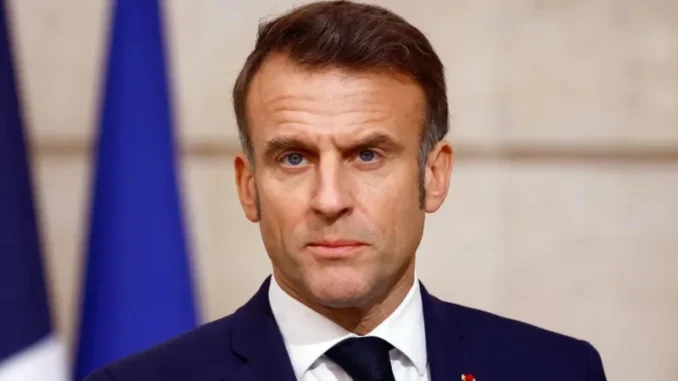
French President Emmanuel Macron announced he would appoint a new prime minister within days, following the resignation of Michel Barnier after a no-confidence vote in parliament. In a national address, Macron rejected calls for his resignation, reaffirming his commitment to serve until the end of his term in 2027.
Macron’s decision came after Barnier, appointed just three months earlier, was ousted due to opposition from multiple political blocs, including the Socialists, far-left, and far-right parties. The no-confidence vote marked a historic event, being the first of its kind in over 60 years. Despite this, Macron expressed gratitude towards Barnier, accusing the opposition of undermining the government in a coordinated effort to weaken the Republic.
Finding a successor who will not be immediately rejected by the fractured parliament is a challenge for Macron. The National Assembly is divided into three major factions: the left, center, and far-right. Macron has initiated discussions with various political leaders, including centrists, Socialists, and the right-wing Republicans, in hopes of forming a stable government.
Socialist leader Olivier Faure indicated openness to a limited-term government but reiterated reluctance to continue Macron’s policies. Meanwhile, far-right leader Marine Le Pen criticized the no-confidence vote, stating that it was within the constitutional framework. Macron’s next prime minister will likely need support from at least part of the left to maintain stability. The new government’s primary focus will be preparing the 2025 budget.
NEWS DESK
PRESS UPDATE