
Europe Tightens Poultry Restrictions as Bird Flu Spreads Rapidly
PARIS:
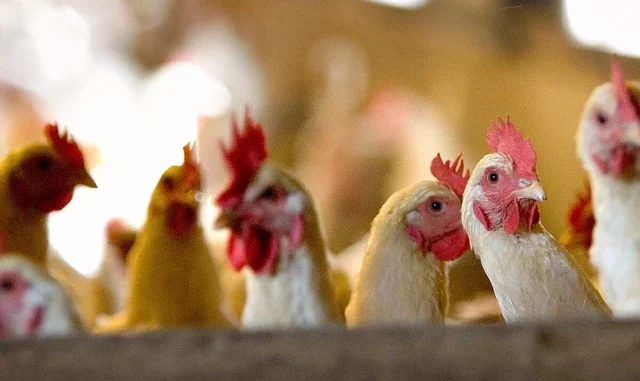
A sharp rise in bird flu cases across Europe has forced several nations to confine millions of poultry indoors. The move aims to prevent contact with infected wild birds. Ireland became the latest country to impose a nationwide poultry lockdown after reporting its first outbreak in three years.
Rising Concerns Over Global Impact
The highly contagious avian influenza has killed hundreds of millions of birds worldwide in recent years. It has now spread to U.S. dairy cows, raising fears about food supply disruptions, price increases, and possible health risks to humans.
Nigel Sweetnam, chair of the Irish Farmers’ Association National Poultry Committee, called the situation alarming. “The whole pattern of bird flu is changing. It’s extremely worrying,” he said.
Europe Responds With Strict Measures
France, which culled more than 20 million birds during the 2021–22 outbreak, reinstated strict housing rules last month. The United Kingdom followed on Tuesday, while the Netherlands and Belgium adopted similar steps in early October.
So far, fifteen of the European Union’s 27 member states have reported farm outbreaks this season.
Unusual Seasonal Surge
Bird flu usually peaks in autumn as migratory birds cross the continent. However, this year’s surge is striking. Authorities have already recorded 688 outbreaks, compared to 189 during the same period last year.
Germany and Poland Among the Worst Hit
Germany remains the most affected country, with 58 outbreaks since August, up from just eight a year ago. Officials have culled about one million birds across several regions. While some German states have imposed local housing mandates, no nationwide order is in place.
Poland, the EU’s largest poultry producer, has reported 15 confirmed outbreaks but has not yet enforced confinement rules.
Experts Warn of Long-Term Consequences
Experts caution that if current trends persist, the economic and environmental toll on Europe’s poultry industry could worsen. The ongoing crisis may also have ripple effects on global food markets.
NEWS DESK
PRESS UPDATE