
The United Nations has warned that Libya’s western coastal region remains highly unstable as rival armed groups compete over illegal activities including human trafficking, drug trafficking and fuel smuggling.
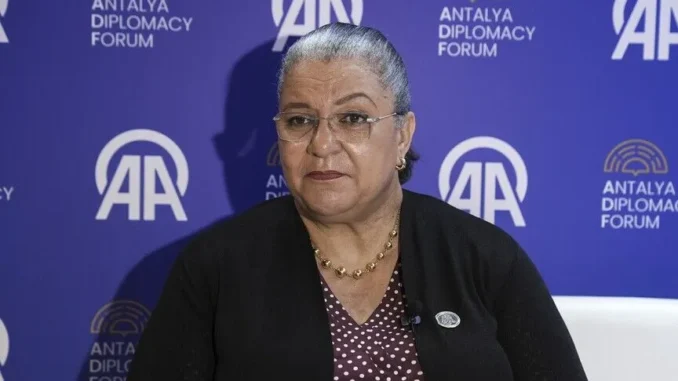
Hanna Serwaa Tetteh, the UN special representative for Libya and head of the UN Support Mission in Libya, told the Security Council that the security situation remains precarious. She described the increasing use of drones against critical infrastructure as a particularly concerning development.
Recent drone attacks struck the Zawia oil refinery and a power substation, with the latter reducing electricity generation capacity by more than 700 megawatts and contributing to major power disruptions. Tetteh called for comprehensive investigations into attacks on civilian infrastructure and stressed that those responsible must be held accountable.
Violence has also affected eastern Libya. Tetteh said Maj. Gen. Faozi Mansuri, a senior Libyan National Army intelligence official, was killed in a car bombing in Benghazi on August 10.
Meanwhile, Libya’s political process remains deadlocked. However, Tetteh pointed to the efforts of the Four Plus Four Committee, which is expected to meet to complete the legal and constitutional arrangements required for national elections.
The country is also facing serious economic and energy problems. Libya spends around $1 billion each month importing fuel, yet its electricity system continues to suffer from severe shortages. Tetteh cited reports of subsidized fuel being diverted on a large scale to security-related sectors, describing the practice as a serious misuse of public resources.
Climate and security specialist Nissa Bek warned that environmental pressures are further worsening Libya’s political and social problems. With temperatures nearing 50°C, some communities have experienced electricity outages lasting as long as 15 hours a day. She also highlighted research showing that many household wells in Tripoli contain contaminated water that does not meet safe drinking standards.
Bek argued that citizens judge the effectiveness of the state through basic services such as electricity, clean water, functioning hospitals and emergency assistance. Persistent failures in these areas, she warned, are gradually weakening public confidence in state institutions.
She urged the Security Council to incorporate climate-related risks into efforts aimed at preventing conflict and stabilizing Libya, which remains politically divided between the Tripoli-based Government of National Unity led by Abdul Hamid Dbeibah and a rival administration based in Benghazi under Osama Hammad.
NEWS DESK
PRESS UPDATE