
Malaysia to Consult UN and Regional Bodies Following Myanmar Genocide Ruling
ISLAMABAD, November 22, 2026
Malaysia has announced plans to engage with the United Nations, the Organization of Islamic Cooperation (OIC) and the Association of Southeast Asian Nations (ASEAN) following an International Court of Justice (ICJ) ruling concerning genocide against Myanmar’s Rohingya Muslim minority.
In a statement released on Sunday, Malaysia’s Foreign Ministry said the country respected the court’s judgment, which held Myanmar responsible for committing genocide against the Rohingya community.
The ministry confirmed that Kuala Lumpur would work with international and regional organizations to address issues arising from the decision and pursue further action.
On Thursday, the ICJ ruled that Myanmar had committed genocide against Rohingya Muslims during its military operations in northern Rakhine State in 2017. The court also directed Myanmar to provide reparations to victims and introduce measures to prevent similar violations in the future.
The legal proceedings were initiated in 2019 by The Gambia, a West African country.
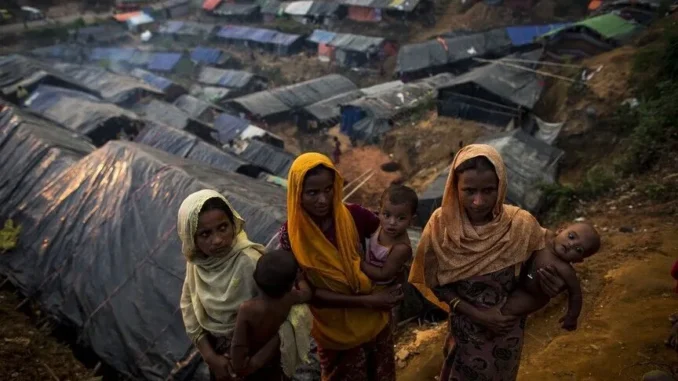
The military campaign resulted in thousands of deaths and forced more than one million Rohingya to flee across the border into neighbouring Bangladesh.
Malaysia’s Foreign Ministry stated that the court’s findings reflected its longstanding position on safeguarding vulnerable populations and protecting fundamental human rights.
It further emphasized that Kuala Lumpur would continue working towards a comprehensive and sustainable resolution to the prolonged crisis. The government also intends to cooperate with relevant stakeholders to introduce practical measures addressing the difficulties faced by Rohingya refugees living in Malaysia.
Rohingya Refugees in Malaysia
According to United Nations High Commissioner for Refugees (UNHCR) figures, approximately 133,400 Rohingya refugees and asylum seekers were registered in Malaysia as of September 30, 2026.
Additionally, around 6,294 Rohingya individuals were being held in immigration detention facilities as of October.
UNHCR data also showed that approximately 1.64 million Myanmar nationals had returned to their country by September 30.
Meanwhile, ASEAN has restricted Myanmar’s military leadership from participating in its high-level meetings since the military takeover that removed the country’s elected government in 2021.
On Wednesday, Myanmar’s military-backed President Min Aung Hlaing announced that his administration intended to review its relationship with ASEAN while maintaining dialogue with member countries.
His statement followed a regional leaders’ meeting held earlier in the week in Manila, the Philippine capital.
ASEAN leaders indicated that Myanmar could gradually regain full political representation within the regional organisation if its authorities demonstrated meaningful progress in implementing the bloc’s existing peace and reconciliation framework.
NEWS DESK
PRESS UPDATE