
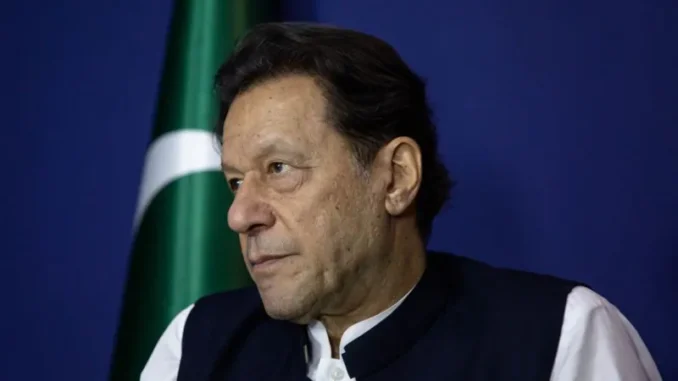
Once hailed as a cricketing hero and political reformer, Imran Khan now finds himself at the center of a dramatic fall from grace. A court has sentenced the former Pakistani Prime Minister to 14 years in prison on corruption charges, a verdict that has sent shockwaves through the nation.
The charges stem from allegations of misusing his authority to benefit private enterprises during his tenure. Prosecutors argued that Khan’s actions drained public resources and betrayed the trust of the very people he vowed to serve. His legal team, however, insists the case is politically motivated, calling the trial a “witch hunt” aimed at silencing a popular opposition figure.
Khan’s sentencing marks a pivotal moment in Pakistan’s turbulent political landscape. Supporters of the ex-leader have decried the verdict, staging protests across major cities, while critics argue it underscores the country’s commitment to holding even the most powerful accountable.
For many, the case highlights the deepening divide between Khan’s staunch followers and a government eager to curb his influence. As his party scrambles to regroup, questions swirl about the fairness of the trial and its implications for Pakistan’s democracy.
Imran Khan’s imprisonment may close one chapter, but it has ignited a storm that shows no signs of calming. For now, the once-charismatic leader faces a daunting road ahead, with his legacy hanging in the balance.
NEWS DESK
PRESS UPDATE