
Health experts are urging people across North America to take extra precautions as a powerful heat dome pushes temperatures to dangerous levels, increasing the risk of heat-related illnesses in many communities.
The weather system is expected to send daytime temperatures soaring into the mid-30s and even low 40s Celsius across parts of southern Ontario, Quebec, and other regions, while warm overnight conditions offer little relief. Forecasters warn the extreme heat could persist through the end of the week.
The warnings come after a recent heat dome in Europe was linked to hundreds of deaths, highlighting the serious health risks posed by prolonged periods of extreme heat.
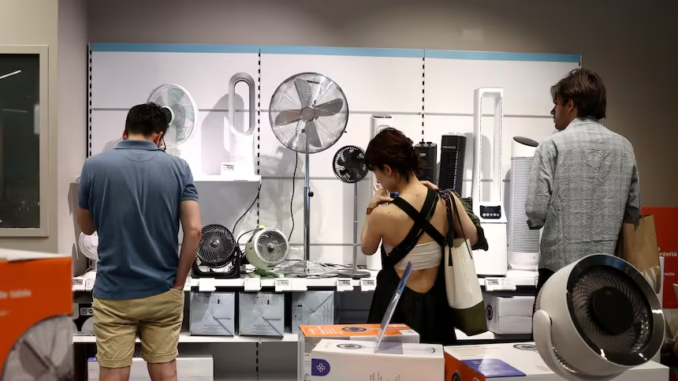
Medical specialists say spending time in air-conditioned spaces remains the most effective way to prevent heat-related illness. For those without air conditioning, electric fans can help cool the body when indoor temperatures remain below approximately 38°C. Beyond that point, experts caution that fans may circulate hot air rather than provide relief, potentially increasing the risk of overheating.
Another recommended strategy is to cool the skin with water. Cold showers, damp towels, or misting the body with water can enhance evaporation and lower body temperature without causing dehydration. Using a fan alongside damp skin can further improve the cooling effect.
Staying hydrated is equally important during extreme heat. Doctors recommend drinking plenty of water and beverages containing electrolytes while limiting alcohol, which contributes to dehydration and increases the risk of heat exhaustion.
Health professionals also warn that high temperatures can affect mood, mental well-being, and the way certain medications work. Older adults, young children, people with chronic illnesses, and those taking prescription medications are considered particularly vulnerable during prolonged heat events.
Experts say warm nights present an additional danger because the body has less opportunity to recover from daytime heat. Maintaining indoor temperatures below 26°C whenever possible can significantly reduce the likelihood of serious heat-related complications.
Residents are encouraged to monitor weather alerts, check on elderly relatives and neighbours, avoid strenuous outdoor activities during peak afternoon hours, and seek immediate medical attention if symptoms such as dizziness, nausea, confusion, or fainting develop.
With climate change contributing to more frequent and intense heat waves, public health officials stress that preparation, hydration, and access to cooling spaces remain the best defenses against extreme temperatures.
NEWS DESK
PRESS UPDATE