
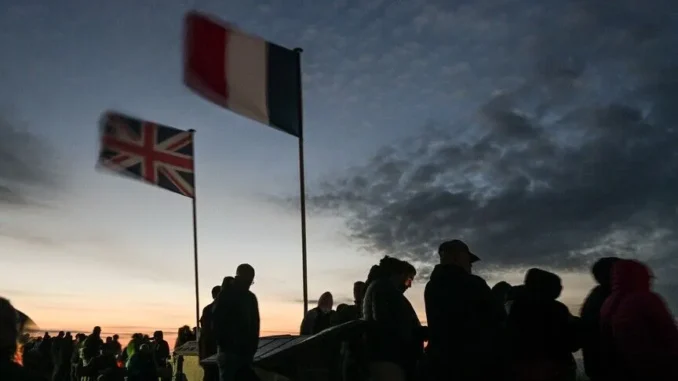
UNESCO Grants World Heritage Status to Normandy D-Day Beaches and Languedoc Fortresses
UNESCO has officially added France’s Normandy D-Day landing beaches and the Royal Capetian Fortresses of Languedoc to its prestigious World Heritage List, recognising their outstanding historical and cultural significance.
The decision was announced during the 48th session of UNESCO’s World Heritage Committee, held in Busan, South Korea, where member states approved the inclusion of both French landmarks on the internationally recognised heritage register.
The newly listed Normandy D-Day beaches stretch nearly 80 kilometres across the French departments of Manche and Calvados. The coastline is globally renowned as the site of the Allied landings on 6 June 1944, one of the most decisive military operations of the Second World War. The landings marked the beginning of the liberation of Western Europe from Nazi occupation and remain a powerful symbol of courage, sacrifice and international cooperation.
UNESCO also recognised the Royal Capetian Fortresses of Languedoc, a network of medieval defensive structures located in the southern French departments of Aude and Ariège. Built primarily during the 13th century, the fortresses—often referred to as the Cathar Castles—were constructed or strengthened by the French Crown to secure strategically important territories following the Albigensian Crusade.
The dual inscription highlights France’s rich historical legacy, celebrating both the enduring memory of a pivotal moment in modern history and the architectural achievements of the medieval era. The recognition is expected to enhance preservation efforts while increasing international awareness and tourism to the two heritage sites.
NEWS DESK
PRESS UPDATE