
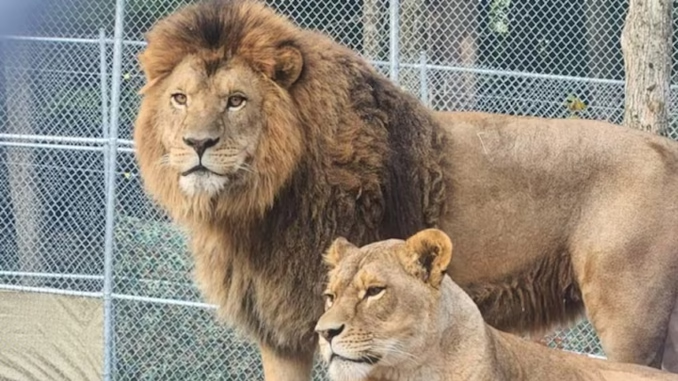
A growing dispute has emerged in Ontario’s cottage country after Aspen Valley Wildlife Sanctuary temporarily housed seven rescued African lions near Parry Sound last year, sparking concern among nearby residents over the future presence of exotic animals in the region.
The sanctuary, located in Rosseau, accepted the lions following a request from Humane World for Animals after the animals were rescued from a roadside zoo in Quebec. The lions reportedly stayed at the facility while awaiting permits for relocation to permanent homes in the United States.
Sanctuary officials stated the arrangement was always intended as a temporary emergency measure and not a long-term plan to keep large predators on-site. Executive director Linda Glimps explained that strict secrecy surrounded the transfer because of ongoing legal proceedings connected to the rescued animals.
The project included the construction of a specialized enclosure funded through external support reportedly exceeding $600,000. While several lions were relocated during the summer, one pregnant lion remained at the sanctuary until October after giving birth.
The unusual arrival of lions in Ontario’s Muskoka region divided residents and former sanctuary volunteers. Some community members argued the organization should focus exclusively on native Canadian wildlife rather than exotic species capable of disrupting the area’s natural environment and residential peace.
Local resident Carolyn Pearce, who previously volunteered with the sanctuary, described the emotional and personal strain caused by the situation. She said nighttime roaring frequently disturbed her sleep and intensified existing health challenges related to an autoimmune condition. Pearce also expressed sadness over deteriorating relationships with longtime acquaintances connected to the sanctuary.
The controversy has intensified broader discussions surrounding wildlife rehabilitation ethics, community transparency, environmental priorities, and the responsibilities tied to housing dangerous exotic animals near residential areas.
Despite criticism, sanctuary leadership has not entirely ruled out the possibility of accepting lions again under extraordinary rescue circumstances, leaving the debate unresolved among residents in the region.
NEWS DESK
PRESS UPDATE