
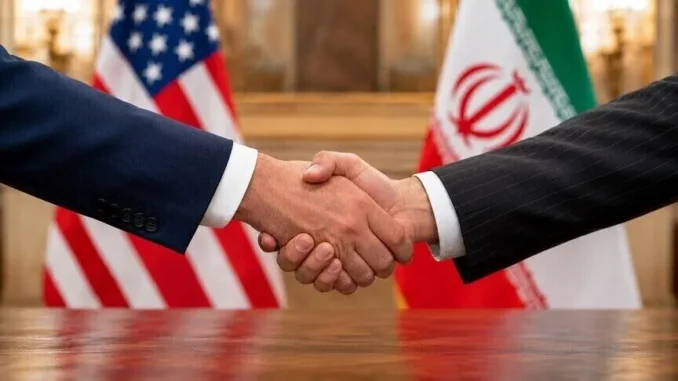
Pakistan and Qatar Intensify Mediation as US-Iran Show Willingness for Fresh Peace Talks
ISTANBUL, July 26: Diplomatic efforts to ease tensions between the United States and Iran have gained fresh momentum after Pakistan and Qatar intensified their mediation, following a temporary suspension of US military strikes ordered by President Donald Trump.
According to Pakistani government sources, both Washington and Tehran have responded positively to a joint de-escalation proposal prepared by Islamabad and Doha, indicating their readiness to pursue dialogue and diplomacy in an effort to end months of escalating hostilities.
The breakthrough comes after President Trump ordered a pause in the recent bombing campaign against Iran following two weeks of sustained airstrikes. The temporary halt has fuelled optimism that negotiations, which had stalled earlier this month, could soon resume.
The mediation proposal reportedly encourages both countries to return to the positions they held before the latest escalation on July 9, creating a foundation for renewed diplomatic engagement. Officials familiar with the initiative believe restoring the previous status quo would provide the necessary confidence-building measures for comprehensive peace talks.
Although both sides have expressed openness to negotiations, officials cautioned that the situation remains highly fragile. The Strait of Hormuz continues to be a major flashpoint, with concerns that any military incident or political miscalculation could quickly derail the diplomatic progress.
Sources involved in the mediation said Pakistani and Qatari officials remain in continuous contact with both governments to preserve the current pause and prevent renewed violence. Diplomatic insiders also warned that hardline factions within both countries could attempt to undermine the negotiations.
Reports indicate that the proposed framework includes the immediate reopening of the Strait of Hormuz by Iran, while the United States would end restrictions affecting Iranian ports and ease sanctions related to Iranian oil exports. The proposal further recommends a two-week ceasefire to create space for formal negotiations.
If accepted by both governments, the initiative could pave the way for comprehensive discussions aimed at achieving a lasting settlement. The agenda is also expected to include the implementation of the ceasefire in southern Lebanon, reflecting broader regional efforts to stabilise the Middle East.
While no final agreement has been reached, the latest diplomatic exchanges represent one of the strongest signs in recent months that both Washington and Tehran may be prepared to shift from military confrontation toward sustained political dialogue.
NEWS DESK
PRESS UPDATE