
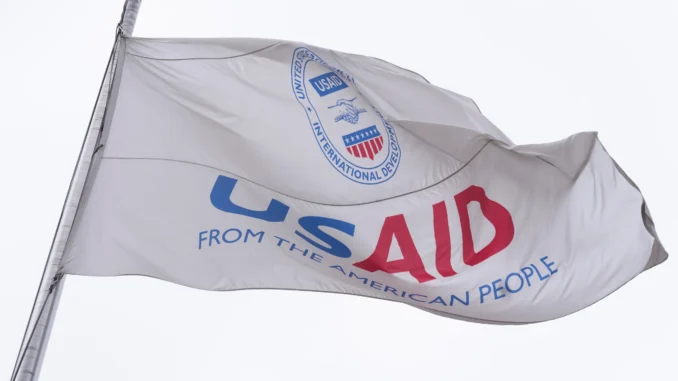
The United States Agency for International Development (USAID) presents itself as a beacon of hope for struggling nations, pouring billions into the Global South under the banner of humanitarian aid. Yet, beneath the surface of generosity, many suspect a calculated agenda—a tool of soft power advancing American interests rather than fostering true self-reliance.
USAID’s financial lifelines often come wrapped in conditions, subtly nudging recipient nations toward policies favorable to the U.S. From economic reforms dictated by Washington to strategic alliances shaped by funding, the agency’s influence extends far beyond mere development. Critics argue that this “assistance” is less about empowerment and more about entrenching dependence, ensuring that the helping hand always remains necessary.
For many nations, aid is a double-edged sword—offering immediate relief but weaving an intricate web of obligations. Infrastructure projects, governance reforms, and economic overhauls, while beneficial on paper, frequently align with American geopolitical goals. The Global South, caught in this complex dynamic, often finds itself balancing between short-term gains and long-term sovereignty.
As USAID continues its mission, the debate persists: Is it a true partner in progress or an architect of subtle control? The answer lies in whether these nations can break free from the invisible strings or remain entangled in an aid-driven paradox.
NEWS DESK
PRESS UPDATE