
GENEVA – The World Health Organization (WHO) has reaffirmed the robust safety standards applied to vaccine development worldwide, following reports that U.S. Health Secretary Robert F. Kennedy Jr. may seek to overhaul vaccine testing protocols.
WHO: Current Standards Are “Extremely High”
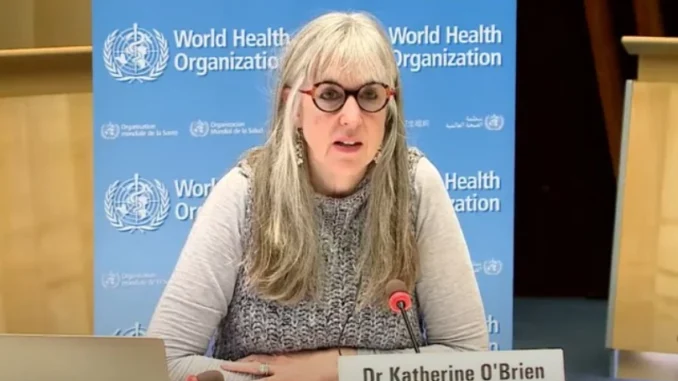
WHO’s vaccine chief Kate O’Brien addressed journalists in Geneva, emphasizing confidence in the current framework:
“The safety of vaccines is held to an extremely high standard… It’s very important that we not constrain efforts to develop better vaccines.”
Concerns Over Proposed U.S. Testing Changes
The statement comes in response to a Washington Post report that Kennedy plans to mandate placebo-controlled trials for all new vaccines — a move aimed at enhancing transparency. However, health experts warn it could slow vaccine rollout and undermine public trust.
Placebos Not Always Ethical
O’Brien explained that placebo testing is already a standard requirement for completely new vaccines, but using placebos instead of existing, approved vaccines — especially for new strains — could be ethically problematic.
“Giving people a placebo when life-saving vaccines exist may not be ethically justifiable,” she noted.
Misinformation and Rising Outbreaks
The WHO also cautioned that vaccine misinformation and reduced global aid are contributing to a rise in preventable diseases such as measles, meningitis, and yellow fever.
Kennedy, a known vaccine skeptic, has also been accused of spreading false claims, including the debunked theory that MMR vaccines contain fetal tissue.
“These are not accurate statements,” O’Brien clarified, urging influential figures to promote vaccine confidence.
Vaccines Have Saved Over 150 Million Lives
O’Brien concluded with a powerful reminder:
“Vaccines have saved more than 150 million lives in the past 50 years. Confidence in their safety is vital.”