
Mexico Records Sharp Homicide Decline During World Cup as Public Doubts Persist
Mexico has reported a significant reduction in homicides since the start of the 2026 FIFA World Cup, with officials attributing the decline to intensified security operations. Despite the encouraging figures, many residents and security analysts say the improved statistics have yet to translate into a stronger sense of public safety.
As one of the tournament’s co-hosts alongside the United States and Canada, Mexico has deployed thousands of additional police officers and strengthened coordination between federal and state security agencies to safeguard fans and host cities.
Official data from Mexico’s Security and Citizen Protection Ministry shows that the country recorded just 30 homicides on June 11, the opening day of the tournament, before reaching a new low of 27 killings on June 16—the lowest daily figures reported in decades.
Authorities say the broader trend extends beyond the World Cup. Security officials reported that the national daily average of intentional homicides has fallen by 46% compared with 2024 levels, reducing the average from 86.9 killings per day in September 2024 to 47.3 by May this year.
The decline has been particularly noticeable in major World Cup host cities. Officials in Jalisco state reported that Guadalajara experienced a 60% reduction in homicides compared with its peak in 2024, while Nuevo Leon authorities said killings have dropped by approximately 45% from the same period last year.
However, many residents remain unconvinced that daily life has become noticeably safer.
People living outside tourist districts say the heightened police presence is largely concentrated around stadiums, fan zones and city centers, with many neighborhoods seeing little change. Residents argue that robberies, organized crime and isolated acts of violence continue to shape their everyday lives despite the official improvements.
Security experts have also urged caution when interpreting the government’s daily homicide figures, noting that the statistics are preliminary and may later be revised. Researchers say the reporting system carries a margin of error and depends on the speed and accuracy of local prosecutors in documenting violent incidents.
Some analysts and human rights advocates have additionally questioned whether changes in crime classification could be contributing to lower homicide totals, arguing that certain violent deaths may now be recorded under different legal categories.
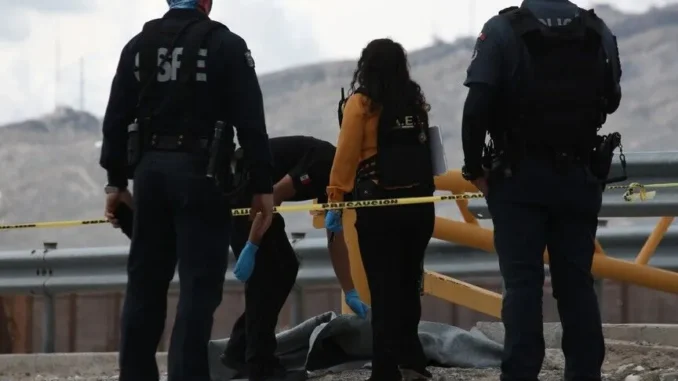
Meanwhile, several high-profile attacks during the tournament have continued to fuel public concern. Fatal assaults on police officers, the discovery of a body near a World Cup-related venue, and the killing of a prominent activist have reinforced perceptions that serious violence remains a persistent challenge.
Experts also suggest criminal organizations may be deliberately avoiding high-profile confrontations during the World Cup to reduce attention from authorities while international scrutiny remains high.
Although Mexico’s homicide statistics point to meaningful progress, analysts say long-term improvements in public confidence will depend not only on lower crime rates but also on sustained security efforts after the tournament concludes.
NEWS DESK
PRESS UPDATE