
Bangladesh is seeking to deepen energy cooperation with Qatar as continuing tensions around the Strait of Hormuz add pressure to the country’s already serious energy shortages.
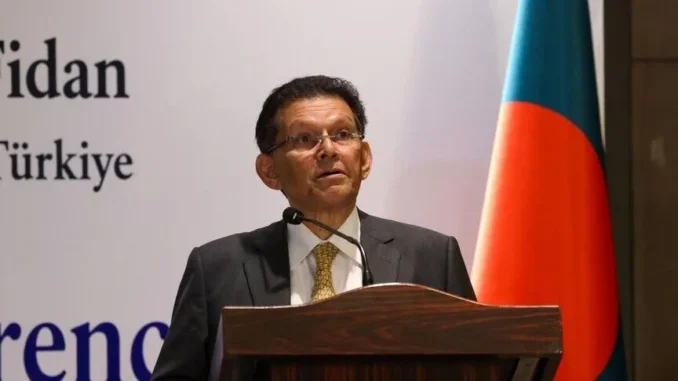
Bangladeshi Foreign Minister Khalilur Rahman led a senior delegation to Doha for a two-day official visit, where he held separate discussions with Qatar’s Energy Minister Saad bin Sherida Al Kaabi and Finance Minister Ali bin Ahmed Al Kuwari.
According to Bangladesh’s Foreign Ministry, the meetings focused on expanding cooperation in the energy and financial sectors as well as other issues of mutual interest. Both sides agreed to create joint working groups to follow up on the discussions and develop areas of cooperation that could benefit both countries.
The talks come at a difficult time for Bangladesh’s energy sector. The country has been experiencing shortages of electricity and gas, partly because of maintenance problems affecting floating LNG terminals in the Bay of Bengal and declining domestic energy production.
Bangladesh’s Finance Minister Amir Khosru Mahmud Chowdhury said the country could require at least two years to overcome its electricity and gas shortages because of significant infrastructure challenges within its import-dependent energy system.
With a population of around 175 million, Bangladesh depends substantially on Middle Eastern energy supplies. Approximately 95 percent of its fuel oil and nearly 30 percent of its gas imports come from the region.
The disruption has become more serious amid tensions surrounding the Strait of Hormuz. The strategic waterway normally carries around 20 million barrels of oil each day and accounts for approximately one-fifth of global LNG trade.
US President Donald Trump recently shared an image portraying the Strait of Hormuz as US territory, following earlier remarks that he could declare the strategic waterway part of the United States.
Iran has maintained that the strait will remain closed until Washington ends its intervention and meets the conditions of an agreement reached between Iran and the US on June 17.
NEWS DESK
PRESS UPDATE