
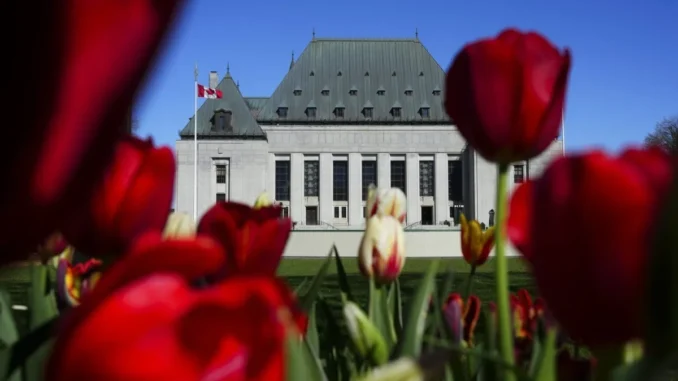
The Supreme Court of Canada has agreed to hear British Columbia’s appeal in a landmark Indigenous rights case involving the province’s mining claim system and the implementation of the United Nations Declaration on the Rights of Indigenous Peoples.
The dispute centers on a December ruling by the British Columbia Court of Appeal, which concluded that B.C.’s Declaration on the Rights of Indigenous Peoples Act must be interpreted as giving immediate legal force to the principles outlined in UNDRIP across provincial laws.
The legal challenge was launched by the Gitxaala Nation and the Ehattesaht First Nation. The nations argued that British Columbia’s online mineral claim registration system allows prospectors to secure mineral rights on Crown land without prior consultation with affected Indigenous communities, violating the Crown’s constitutional duty to consult First Nations.
Following the appellate ruling, Gitxaala leaders described the judgment as a historic precedent for Indigenous rights and resource development across Canada.
British Columbia introduced the Declaration on the Rights of Indigenous Peoples Act in 2019, presenting it as a framework designed to advance reconciliation and align provincial laws with internationally recognized Indigenous rights standards.
However, David Eby warned that the Court of Appeal decision could shift major policy authority from elected governments to the judiciary. Eby argued that decisions affecting economic certainty, resource development, and the province’s future prosperity should remain under democratic control through elected representatives.
As is customary, the Supreme Court did not explain why it agreed to hear the appeal, and no hearing date has yet been announced.
NEWS DESK
PRESS UPDATE