
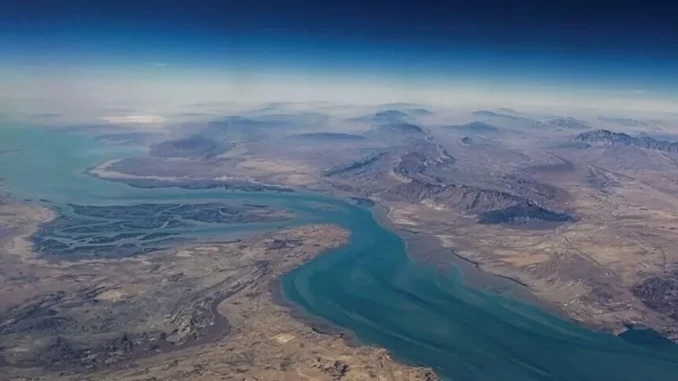
Iran has described the United States’ response to its seven conditions for reopening the Strait of Hormuz as insufficient, according to the semi-official Tasnim News Agency.
Mohsen Rezaei, secretary of Iran’s Supreme National Security Council, said Washington had agreed to some of Tehran’s demands, but several issues remained unresolved and required further clarification.
Rezaei stated that the United States had contacted Iran through Pakistan, Qatar and Iraq over the previous two months, requesting proposals to resolve the dispute. Around two weeks ago, Tehran submitted seven conditions, making clear that it would not reopen the strategic waterway to the US or engage in negotiations until its demands were fulfilled.
He added that Washington had already delivered its response, meaning Tehran was now waiting for clarification rather than preparing another reply. However, the report did not specify which conditions the US had accepted or provide details of all seven demands.
Rezaei argued that lasting security in the Gulf depended on Iran’s role in managing the Strait of Hormuz. He described control of the waterway as a valuable national asset, emphasizing that its importance extended beyond restricting maritime traffic or collecting transit fees.
In late September, Iranian Foreign Minister Abbas Araghchi said Tehran could reopen the strait within seven days if Washington accepted a proposal delivered through Qatari mediation. Under the proposed arrangement, the US would take agreed measures during the first four or five days, allowing normal maritime traffic to resume on the sixth day. Negotiations on a comprehensive agreement would then begin on the seventh day.
Iran’s demands reportedly include an end to hostilities, the release of frozen Iranian assets, the removal of restrictions on Iranian oil exports and the termination of the US naval blockade of Iranian ports.
Tehran has continued restricting access to the Strait of Hormuz, insisting that Washington fulfil its commitments under a memorandum of understanding signed in June. Iranian officials have maintained that unrestricted navigation will not resume until the country’s conditions are satisfied and the agreed commitments are implemented.
The dispute follows the war launched by the United States and Israel against Iran on February 28. Tehran responded with missile and drone attacks across the region and effectively closed the Strait of Hormuz. Washington subsequently imposed a naval blockade on Iranian ports.
Although the two countries signed a memorandum of understanding in June concerning freedom of navigation through the strategic waterway, implementation has stalled because of disagreements over security arrangements.
NEWS DESK
PRESS UPDATE