
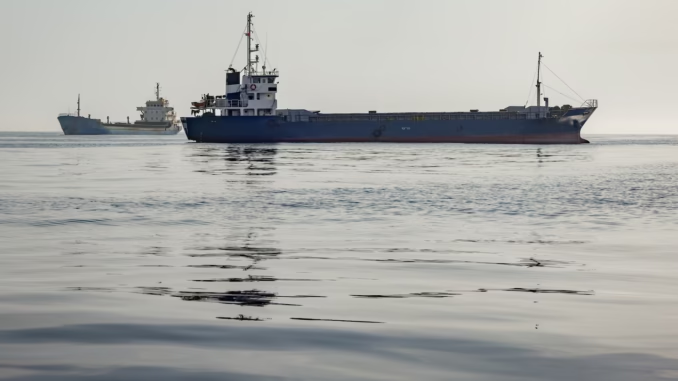
Iran Moves to Close Strait of Hormuz Amid Rising Regional Tensions and Fragile US Deal
Iran has announced that it is closing the Strait of Hormuz, escalating tensions in the Gulf and putting renewed pressure on a fragile ceasefire and diplomatic understanding with the United States.
According to Iranian state media, the decision was taken by Iran’s military command in response to Israeli airstrikes in Lebanon. Tehran linked the move to what it described as continued violations of regional stability, warning that recent developments have undermined ongoing de-escalation efforts.
The announcement comes shortly after a preliminary agreement between Washington and Tehran, under which both sides had reportedly agreed to ease restrictions on maritime movement through the strategically vital waterway. The Strait of Hormuz is a critical global shipping route, with a significant share of the world’s oil supply passing through it.
Despite Iran’s declaration, U.S. Central Command reported that maritime traffic continued in the strait throughout Saturday. Officials stated that dozens of merchant vessels successfully transited the corridor, carrying millions of barrels of oil, and rejected claims that the waterway had been fully closed.
Meanwhile, Pakistan has indicated that additional U.S.-Iran talks are scheduled to take place in Switzerland on Sunday. The discussions are expected to focus on maintaining the ceasefire framework and preventing further escalation across the region.
The latest developments highlight the fragility of the current diplomatic process, as military tensions in Lebanon continue to affect broader negotiations. Analysts warn that any sustained disruption in the Strait of Hormuz could have immediate consequences for global energy markets and maritime security.
As diplomatic efforts continue, uncertainty remains over whether the ceasefire arrangement can hold or whether the region is heading toward a deeper escalation.
NEWS DESK
PRESS UPDATE