
Modi Declares India Will Retain Its Water Amid Treaty Suspension with Pakistan
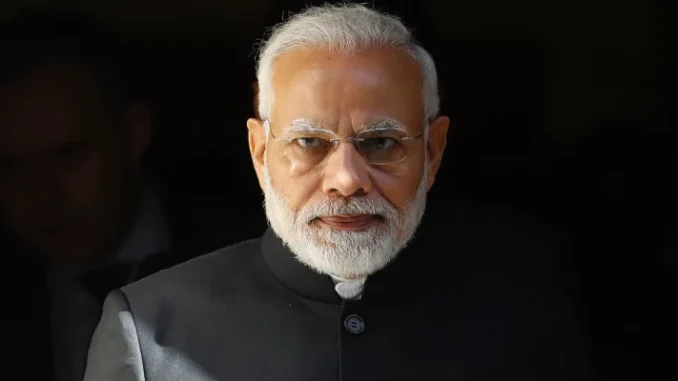
In a pointed statement underscoring India’s shifting policy toward Pakistan, Indian Prime Minister Narendra Modi vowed on Tuesday to keep water flowing within the country, rather than allowing it to cross borders. “India’s water, which was going outside, will now remain and be used for India,” Modi said during a public address in New Delhi. He stopped short of detailing how this redirection would be implemented.
This bold declaration comes on the heels of India’s suspension of the 1960 Indus Waters Treaty, a decades-old water-sharing accord between the two nuclear-armed neighbors. The move follows a deadly attack in Indian-administered Kashmir that killed 26 Hindu pilgrims—an assault India claims was orchestrated with support from across the border. Pakistan vehemently denies any role and has warned it stands ready to defend itself against aggression.
Signed under the World Bank’s mediation, the Indus Waters Treaty allocated river usage rights between India and Pakistan for the Indus River system. New Delhi claims that support for cross-border militancy has voided the agreement, stating the suspension will remain until Islamabad “irrevocably ends its support for terrorism.”
Pakistan has threatened to escalate the matter internationally. “Any effort to halt or divert Pakistan’s rightful share of water will be treated as an act of war,” warned its foreign ministry.
Meanwhile, Indian authorities have reportedly expedited work on four hydropower plants in the Kashmir region and increased reservoir capacity at two sites, signaling preparations to utilize the disputed waters.
Amid these rising tensions, fresh unrest has surfaced in Pakistan’s volatile Balochistan province. The Pakistani military blamed the Baloch Liberation Army (BLA)—labelled an “Indian proxy”—for an IED attack on one of its convoys. India has not commented.
The rift is widening on multiple fronts. Both countries have severed trade ties, closed airspace, and slashed diplomatic staffing. While Pakistan has conducted two missile tests in recent days, India plans widespread civil defence drills, including air raid sirens and evacuation exercises.
UN Secretary-General António Guterres has called for de-escalation, warning that the situation could spiral dangerously. “A military clash could easily spin out of control,” he said.
Pakistan, currently a non-permanent member of the UN Security Council, has held top-level meetings amid the crisis. Prime Minister Shehbaz Sharif and military brass visited ISI headquarters on Tuesday in a show of unity and strategic preparation.