
Pakistan Mediates US Iran Talks Amid Rising Tensions
Mediation efforts continue under mounting pressure
Pakistan continues to facilitate indirect talks between the United States and Iran, according to sources familiar with the discussions. However, growing military escalation threatens to disrupt these efforts, especially as Donald Trump’s deadline for a ceasefire rapidly approaches.
Saudi strike complicates diplomatic progress
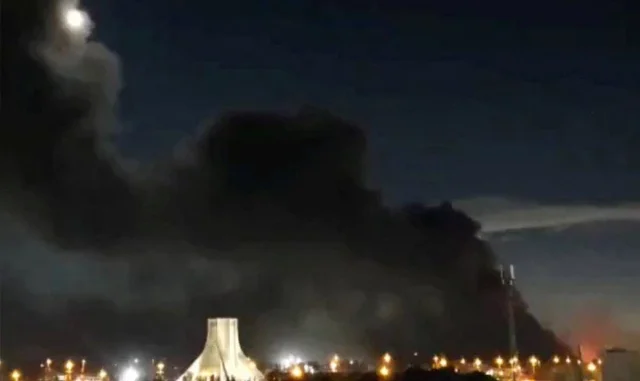
Tensions increased after Iran launched overnight strikes on Saudi industrial facilities linked to US companies. A senior Pakistani security official warned that these attacks could derail the fragile mediation process.
Furthermore, the official cautioned that any Saudi retaliation might escalate the situation into a wider conflict. Under a defence agreement with Riyadh, Pakistan could face pressure to support Saudi Arabia if the conflict intensifies.
At the same time, another source described the situation as highly critical. He stressed that the next few hours would determine whether negotiations could continue.
Pakistan pushes for unconditional dialogue
Pakistan has acted as a key intermediary, conveying proposals between Washington and Tehran. Although Iran has recently shown some flexibility, it continues to insist on preconditions before entering formal talks.
Despite this, Islamabad is actively urging Iran to join negotiations without setting prior conditions. Officials believe that immediate dialogue remains the only viable path to de-escalation.
Iran signals position while rejecting temporary ceasefire
Meanwhile, Reza Amiri Moghadam stated that mediation efforts have reached a “critical and sensitive stage.”
Iran recently submitted a proposal outlining its stance on ending the conflict. Instead of accepting a temporary ceasefire, Tehran called for a permanent resolution and demanded an end to US-Israeli strikes, along with compensation for damages.
In response, Trump described Iran’s proposal as a “significant step,” although he noted that it still fell short of expectations.
Deadline pressure intensifies situation
As the deadline nears, uncertainty continues to grow. Trump warned that failure to reach an agreement could lead to severe consequences.
Pakistani officials remain cautiously optimistic. They hope Iran will respond positively, despite its firm stance on negotiation conditions.
Pakistan seeks to avoid regional conflict
Pakistan aims to prevent further escalation, particularly along its western border with Iran. Officials recognise that a broader conflict could have serious regional consequences.
Additionally, analysts suggest that while Pakistan’s defence pact with Saudi Arabia may not immediately trigger military involvement, it could come into effect if tensions escalate further.
An expert from the Quincy Institute noted that Iran’s actions reflect a strategy of retaliation against Gulf states aligned with the US and Israel. This approach, however, risks undermining Pakistan’s mediation role at a crucial moment.
NEWS DESK
PRESS UPDATE