
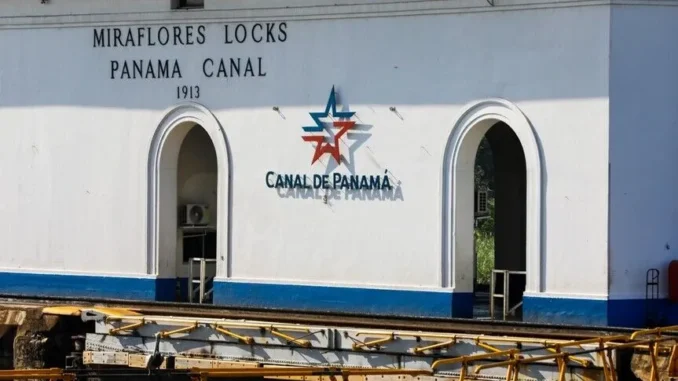
The Panama Canal Authority has announced plans to reduce the number of ships allowed to pass through the canal each day as declining rainfall and the possibility of a severe El Nino raise concerns about water availability.
The authority, known as the ACP, said daily transit capacity will be reduced in two stages. The current limit of 36 vessels per day will fall to 34 beginning Sept. 4 and then to 32 from Sept. 15. The restrictions will apply to both Panamax and larger Neopanamax locks.
The ACP reported that rainfall across the canal’s watershed between May and August was 34% below the historical average, while water flowing into the watershed was 44% lower than normal.
Although the rainy season has begun and water conservation measures have been introduced, officials said additional steps are necessary to maintain the canal’s long-term operations.
Weather forecasts suggest that the developing 2026-27 El Nino could become unusually strong. Such conditions could result in reduced rainfall and lower water runoff during the remainder of the wet season.
The authority said the restrictions are designed to protect the canal’s water resources, ensure enough water for local communities and maintain dependable shipping services. The measures will also give shipping companies more time to adjust their schedules and supply-chain plans.
The Panama Canal relies heavily on freshwater from nearby lakes to operate its locks. Large quantities of water are required each time a vessel is raised or lowered between sea level and Gatun Lake.
The ACP also delayed previously planned reductions in the maximum draft allowed for ships using the Neopanamax locks. Officials said they would continue monitoring rainfall, lake levels and water inflows and could make additional changes if conditions deteriorate.
The restrictions come while international shipping is already experiencing disruption because of the conflict involving Iran, which has significantly reduced traffic through the Strait of Hormuz, another major global trade route.
The Panama Canal connects the Atlantic and Pacific oceans and provides ships with a much shorter alternative to sailing around the southern tip of South America. As a result, it remains vital to international commerce.
The canal experienced similar restrictions during the 2023-24 El Nino, when severe drought forced authorities to gradually reduce the number of daily transits and impose limits on vessel drafts.
With the latest restrictions expected to reduce available capacity, advance reservations will become increasingly important. The ACP has reminded shipping companies that only a confirmed booking can guarantee a particular transit date.
NEWS DESK
PRESS UPDATE