
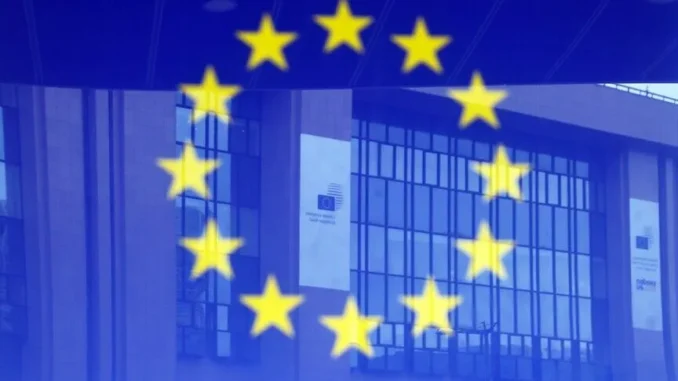
EU Adopts 21st Sanctions Package to Increase Pressure on Russia
The European Union has approved its 21st package of sanctions against Russia, introducing new measures aimed at tightening financial restrictions and increasing pressure on Moscow’s energy sector as the conflict in Ukraine continues.
Announcing the agreement, European Commission President Ursula von der Leyen said the latest sanctions are designed to further weaken the economic resources supporting Russia’s military campaign while reinforcing the EU’s continued support for Ukraine.
Under the new package, 32 additional Russian banks will be added to the EU’s transaction ban list. The measures also target cryptocurrency businesses and oil trading platforms that European officials say could be used to bypass existing financial restrictions.
The sanctions further include a one-year extension of the current mechanism governing the Russian oil price cap, a move intended to limit Russia’s ability to benefit from sudden fluctuations in global energy markets.
For the first time, the European Union will also impose restrictions on vessels believed to be supporting Russia’s so-called “shadow fleet,” a network of ships that Western governments allege has been used to transport Russian oil outside existing sanctions frameworks.
Von der Leyen also announced progress toward a formal ban on the entry of Russian combatants into the European Union, describing the measure as another step in strengthening the bloc’s collective security response.
The latest sanctions package reflects the EU’s ongoing strategy of increasing economic and financial pressure on Russia while seeking to restrict revenue streams linked to the country’s energy exports and military operations.
NEWS DESK
PRESS UPDATE