
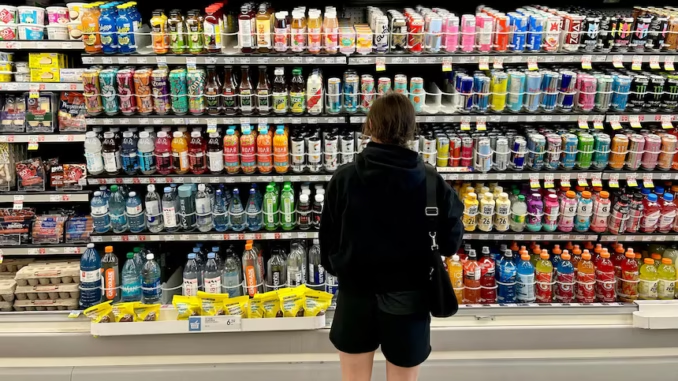
Quebec Energy Drink Crackdown Faces Legislative Roadblock
Quebec’s government is preparing to introduce legislation aimed at restricting energy drink sales to teenagers amid growing concerns over the health risks associated with excessive caffeine consumption. However, the proposed measure faces uncertainty as political opposition threatens to delay its adoption until after the province’s upcoming general election.
The push for stricter regulations gained momentum following the tragic death of 15-year-old Zachary Miron in 2024. According to a coroner’s report, Miron suffered a fatal heart arrhythmia after consuming a can of Red Bull while taking medication for ADHD. The report concluded that the interaction between caffeine and the medication likely contributed to his sudden death.
Health advocates, parents, educators, school boards, public health organizations, and youth sports leagues have since intensified calls for restrictions on energy drink purchases by minors. Many groups support prohibiting sales to individuals under the age of 16.
Despite widespread backing, Conservative legislator Maïté Blanchette Vézina has expressed reservations about fast-tracking the legislation. She argues that lawmakers should continue examining the proposal before implementing restrictions, emphasizing the need for a broader discussion regarding products that may interact with medications.
Blanchette Vézina cited industry data suggesting that energy drinks account for only a small portion of overall caffeine intake among teenagers. While she has not ruled out supporting future restrictions, she believes the issue warrants further debate during the fall legislative session.
The proposed legislation has received support from Québec Solidaire, the Quebec Liberal Party, and the Parti Québécois. Critics of the Conservative position argue that delaying action could postpone important protections for young consumers.
The debate arrives as Quebec Premier Christine Fréchette seeks to advance several legislative priorities before the National Assembly adjourns on June 12. Because unanimous consent is required to accelerate the bill’s passage, a single legislator has the ability to prevent its rapid adoption.
Meanwhile, the healthcare sector has already begun taking action. Familiprix recently removed energy drinks from store shelves after Quebec’s order of pharmacists endorsed restrictions limiting sales to consumers aged 16 and older.
As lawmakers prepare for further discussions, the controversy highlights growing concerns about caffeine consumption among adolescents and the potential health consequences of energy drink use, particularly when combined with prescription medications.
NEWS DESK
PRESS UPDATE