
Arab Alliance Accuses Netanyahu of Using AI Image to Mislead Voters
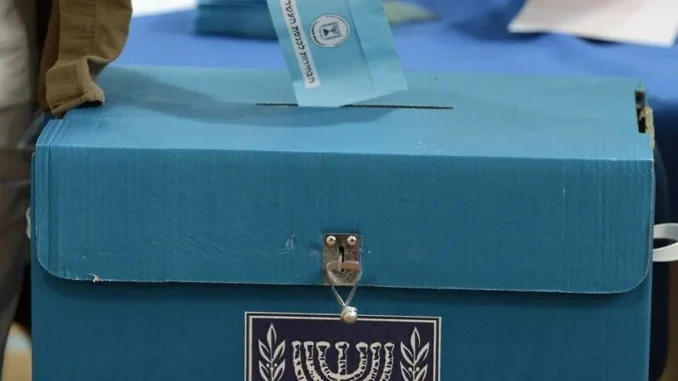
JERUSALEM / ISTANBUL, October 27, 2026: The Joint List, an alliance of three Arab political parties in Israel, accused Prime Minister Benjamin Netanyahu of sharing an artificial intelligence-generated image to create a misleading impression of high Arab voter participation in the country’s parliamentary elections.
Arab lawmaker Ahmad Tibi disputed Netanyahu’s claims, arguing that voter turnout in Jewish communities remained considerably higher than in Arab towns.
Netanyahu shared an image on the social media platform X showing a crowd outside a polling station, claiming it depicted Arab voters in Rahat, a city in southern Israel. He urged residents to vote for his Likud party, presenting the scene as evidence of growing participation.
The prime minister also reposted a photograph of Tibi standing in front of a bus, which the lawmaker had shared several days earlier. Netanyahu claimed that buses were transporting voters to polling stations and that long queues were forming in Arab communities. He also warned his supporters that weak participation among right-wing voters could lead to a government dominated by Arab parties.
In response, the Joint List said the image supposedly showing voters in Rahat was fabricated using artificial intelligence. The alliance accused Netanyahu of spreading misleading content to provoke hostility toward Arab citizens and influence voter behaviour.
The alliance argued that Netanyahu was concerned about increased participation among Arab voters because it could threaten his government. It also warned that misleading images might discourage people from voting by creating the impression that turnout in their communities was already sufficiently high.
Although the alliance described participation in Arab communities as encouraging, it acknowledged that a significant gap remained between Arab and Jewish voters, particularly in right-wing strongholds and settlements. It urged Arab citizens to continue voting despite reported obstacles and delays.
In a video statement, Tibi said the rise in Arab voter participation compared with previous elections was being misrepresented by right-wing political figures. He emphasized that turnout in Jewish communities remained higher, leaving a considerable difference between the two groups.
Tibi encouraged Arab voters to remain determined and cast their ballots despite reported obstruction and waiting times. He warned that the participation gap could influence the election results but maintained that increased voting could still reduce the difference.
Netanyahu had not immediately responded to the accusations made by the Joint List and Tibi.
According to figures published by Israel’s Central Bureau of Statistics, Arab citizens represented 18% of eligible voters, while Jewish citizens accounted for 77%. People classified as having no specified religion made up the remaining 5%.
Polling stations opened at 7 am local time and were scheduled to close at 10 pm. Television networks were expected to publish exit polls after voting ended, with preliminary results anticipated early Wednesday. The official results were scheduled for announcement on November 4.
NEWS DESK
PRESS UPDATE