
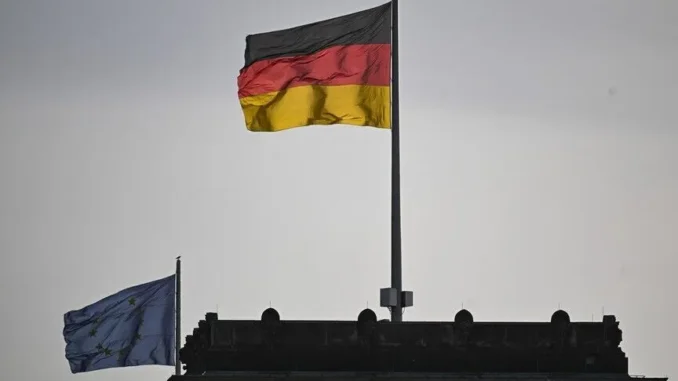
Germany Authorizes French-Led Nuclear Fuel Project Amid Security Debate
German authorities have approved a controversial nuclear fuel production project involving a subsidiary of French nuclear company Framatome and Russia’s state-owned nuclear energy corporation Rosatom, despite ongoing security concerns linked to Russia’s war in Ukraine.
The authorization allows Advanced Nuclear Fuels (ANF) to expand production at its facility in Lingen, located in the German state of Lower Saxony. The project is intended to manufacture fuel compatible with Soviet- and Russian-designed nuclear reactors that remain in operation across parts of Central and Eastern Europe.
According to German officials, the project will involve the use of Russian technology and technical expertise. While the Lower Saxony Environment Ministry acknowledged reservations over the security implications of cooperating with Russian entities during the ongoing conflict in Ukraine, it said there was no legal basis under existing German or European Union law to deny the permit.
Authorities emphasized that the approval could be reviewed if new national security risks emerge. They also noted that broader restrictions on Russia’s civilian nuclear sector would require action at the European Union level.
The proposal, first submitted in March 2022, has faced political criticism, particularly from Germany’s Green Party and other groups concerned about Europe’s continued dependence on Russian nuclear technology. Reports indicate that a revised security assessment played a significant role in the final approval process.
The issue has also drawn attention at the highest political levels, with French President Emmanuel Macron and German Chancellor Friedrich Merz reportedly discussing the project.
Although the European Union has imposed extensive sanctions on Russia’s energy sector, civilian nuclear cooperation has largely remained outside those measures due to the continued operation of Russian-designed reactors in several European countries and the limited availability of alternative fuel suppliers.
The decision highlights the complex balance between energy security, legal obligations, and geopolitical considerations as Europe continues to reduce its reliance on Russian energy while maintaining the operation of existing nuclear infrastructure.
NEWS DESK
PRESS UPDATE